Publishing Industry Q&A with Ariane Peveto, Editor at Ground Crew Editorial

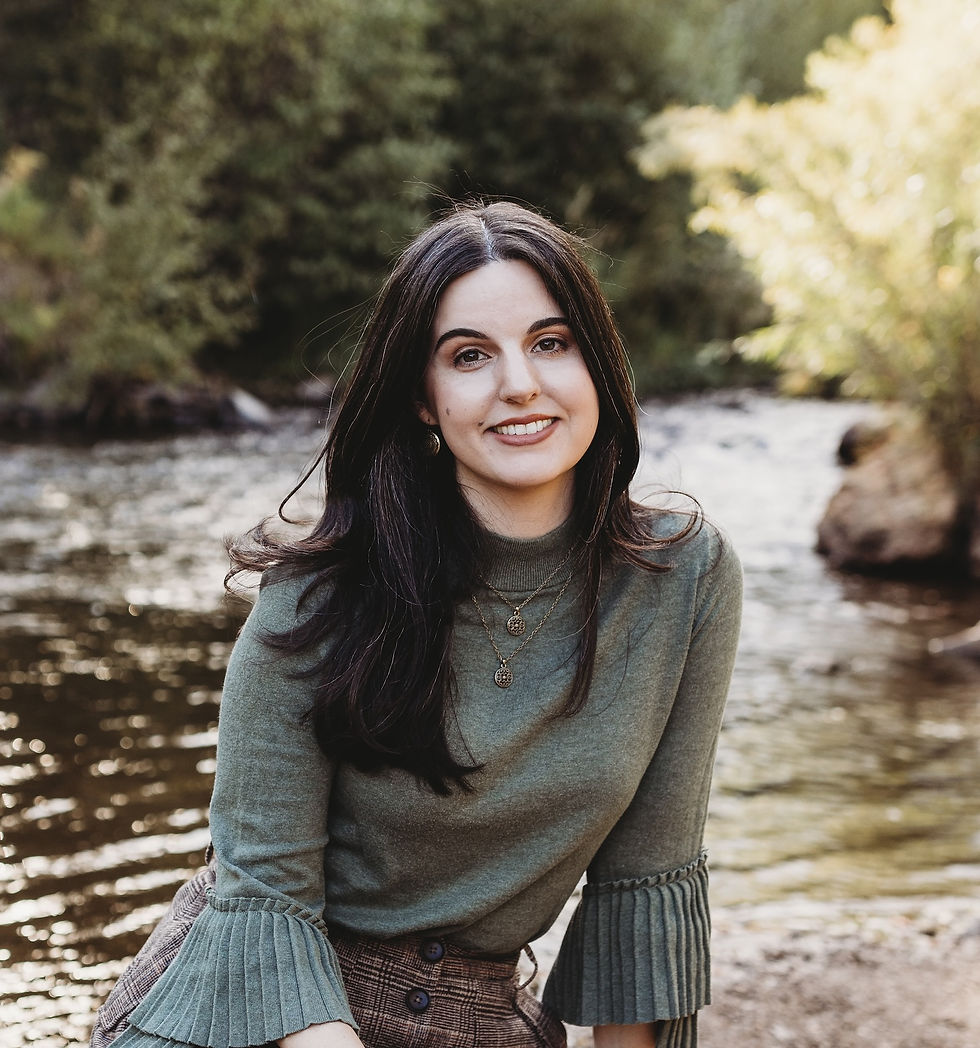
Ariane Peveto of Ground Crew Editorial sat down with me to discuss her book editing journey and experience. Read the Q&A below to find out more about her, her views on publishing, and her editorial company. Thank you, Ariane, for sharing and participating in the blog swap! 1. Describe your editing background. How did you get started? What made you focus on editing?
Editing is a wonderful combination of two things that I love doing: teaching and writing. Before I was scribbling my own stories in a tiny denim-covered journal that came with its own lock and key, I wrote them on printer paper, so I’d say I’ve always been a writer. As I studied writing craft as a literature major and then as a graduate student, I found that I loved to teach as well. I worked as a writing tutor for several years, and then later taught English courses at the college level.
I describe my editing background as academic because I’ve formally studied writing and storycraft from novels to short stories, essays to memoir. But my editing background also includes my writing journey, what I’ve learned as I write my own stories. Editing was a natural choice of profession for me as a delightful combination of teaching and writing. Working with other writers is the best job!
2. Is editing a full-time job, a side gig, or a hobby?
I am a full-time editor.
3. How do you attract new clients?
At the moment, clients find me primarily through my website and the Editorial Freelancers Association’s job board and directory. I participate in writers’ groups on social media, sharing resources and answering questions when I can, and I also write a regular blog and newsletter. This year, I’ve attended several writing conferences (two as a sponsor) to promote my business and connect with writers.
4. Describe your editing team and which services you offer clients.
My editing team is made up of two people, myself and my twin sister, Jackie Peveto. For big-picture editing, we offer developmental editing and manuscript assessments, and we also offer line and copyediting. In addition, we help writers with book coaching and submission materials such as query letters and synopses. Our newest service is a line editing intensive, where we teach writers how to line edit their own work.
5. What is your editing process like?
My editing process depends on what level of editing I’m working on. For developmental-level editing, I make comments on the side of the manuscript, making notes and asking questions as I read. I also take copious amounts of notes by hand! Then, once I’ve read through the manuscript, I begin working on my editorial letter, which summarizes my feedback in sections such as audience appeal, plot, characterization, and so on. I discuss the writer’s strengths and themes, and I also write up a brief synopsis of the story. This letter always includes recommendations for next steps so my clients can feel confident in applying the feedback.
For line-level editing, such as line and copyediting, I carefully read through the manuscript, checking for elements like flow and consistency and tracking the unique names and terms on a style sheet. In line edits, I also keep an eye for places where the author’s unique voice can shine through, sometimes suggesting words or trimming extra words or sentences for greater impact. Once I’ve finished the edit, I double-check the style sheet terms to ensure consistency, reread sections that need another look, and then write a short editorial letter that summarizes my changes and highlights any opportunities that the author might consider taking advantage of to strengthen their story through word choice or style.
Because a writer’s growth is my top priority when they’re working with me, I offer clients an option for edits like this where I put in explanations of the changes I’m making so they can see my thought process and, in the case of grammatical changes, learn the rule that’s at play.
6. What genres do you specialize in?
I specialize in children’s literature (all middle grade and young adult), and adult sci-fi and fantasy.
7. What is your greatest accomplishment as an editor? Your greatest challenge?
My greatest accomplishment as an editor so far has been launching my own business with my sister. I worked as a subcontractor for other editors for some time, and once I’d gained enough experience, I knew I wanted to create a community of writers who really cared about their work and putting in the time to create truly excellent stories. Needless to say, running the business has also been my greatest challenge! I wish I could talk shop and work on stories all day, but the business side requires a lot of time spent on other tasks, too.
8. What is your perspective on AI in the publishing industry? Do you work with AI yourself? Do you have an AI clause/anti-AI clause in your contract? Have authors ever requested you work with AI? How did that make you feel?
Personally, I believe that writers, even those who are very new at their craft, are hindered rather than helped by AI. AI, by its design, is generic and predictable as well as prone to error, and none of those things are beneficial to writers, whose own creativity and perspective is far more precious. Writing, like any art or skill, is only improved by practice and hard work. AI promises to take away the difficult or uncomfortable parts of writing, but those parts are where we grow and discover what we really want to say and how we want to say it.
As an editor, I do not work with AI. I have tested out a few of the popular platforms like ProWritingAid and AutoCrit so I could have a better sense of what they can and can’t offer, and from those tests, I determined they would not be beneficial for me for either my writing or editing processes. My clients’ privacy is important to me as well, which means avoiding AI tools that may scrape their creative work for AI training.
9. What is your current Manuscript Wish List? Any genres you don’t want to work with?
Sci-fi and fantasy of all stripes are always high on my list, and I love working with MG and YA of any genre. While I’m not a good fit for story-level editing for certain genres (you’ll want a specialist!), I enjoy line and copyediting a wide variety of genres like historical fiction, mystery, memoir, and speculative fiction.
I don’t work with romance, erotica, or manuscripts with high degrees of violence/gore.
10. What are your hobbies outside of work? How does that help you as an editor?
To tell the truth, I have too many hobbies! I sew, paint watercolors, bake and decorate cakes, grow cut flowers, occasionally tackle a home renovation project, and study Japanese. And I read all kinds of books and work on my own novels and short stories.
I love learning new things, and I find that a curiosity about a wide variety of topics—as well as some hands-on knowledge in different areas—serves me well as an editor because the manuscripts I work with are so unique and require me to draw on different spheres of knowledge. Because I have many interests, I can connect authors with books or resources they may not be familiar with, and I hope to share some of my delight and curiosity with the authors I work with.
11. What can authors expect from working with you?
Authors who work with me can expect prompt, personal communication, feedback that is hand-tailored to their needs, and a connection that remains open even after a project is completed. I always feel honored when a writer trusts me with their story, and I work hard to give them the support they need to reach the next step in their journey, whether that’s getting a draft down on the page or polishing for publication. I always treat my clients as professionals working on their craft, fellow writers rather than students. I learn from every writer I work with!
I’m a big fan of writing letters and enjoy correspondence with several of my clients. Even after we’ve finished working together, if you drop me a line, I’ll always write back.
12. What is one thing you’d like authors to know before they start working with you?
When you work with me, my goal is to help you grow in your craft. That means I’ll be challenging you, offering techniques you may not have considered, or encouraging you to go deeper, but all of it will be aimed at the goal of helping you capture your vision for this story and developing your skills for future stories.
13. How can authors get in touch with you (website, social media handles, blog, email, etc)?
You can reach me via the contact form on my website, https://www.groundcreweditorial.com. You can also get in touch on Facebook and Instagram (@groundcreweditorial).

Thank you so much, Ariane, for your professional and candid insight into your editorial business, specializations, and practices. Reader, if you're in need of a children's book, MG, or YA editor, reach out to her!


Comments